

Out There: JULY
How taking small, collective steps can make a huge difference for our struggling wildlife during drought and extreme heat
Welcome to ‘Out There’, a monthly series in which I bring you with me as I observe the natural world on my doorstep. It is so important to connect with our immediate surroundings in whatever way we are able to access them - be it whilst walking, out in our garden spaces or as viewed through a window. However we do it, grounding within our environment and becoming curious to the patterns of the natural world enable us to connect with life beyond ourselves. As a result we are able to find moments of reflection and insight that I believe are critical to our resilience and wellbeing.
This series features my small corner of Hertfordshire in the UK, just on the border with north London. A landscape in flux, enduring constant human encroachment but still containing pockets of nature which continue to provide sanctuary for plants and creatures great and small.
This month has been defined primarily by the absence of rain. Not just a week or two without it but an entire month of drought, heightened by the persistent force of the July sun.
The effects on the landscape and its inhabitants have been widespread and stark, calling our attention to greater issues at play. Even as I write, wildfires burn in multiple locations around the world with a savage ferocity that is taking lives and leaving scars in its wake.
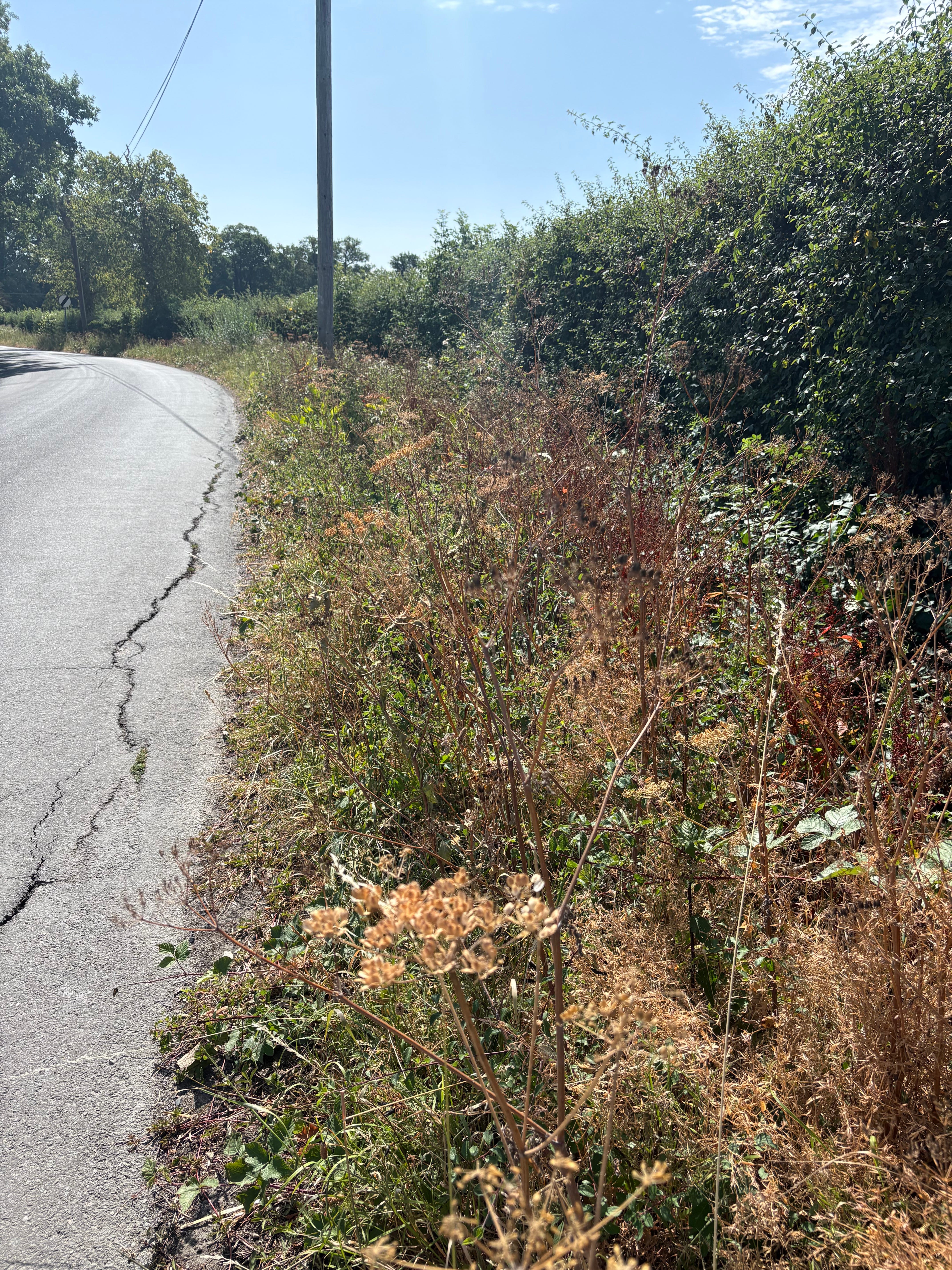
June had caught itself in a cycle of intense heat and heavy rainfall which meant that the earth stayed damp enough to allow, for the most part, life to continue relatively unscathed. As we continued on into a new month however, the succession of heatwaves that smashed into the landscape rendered a swift end to all growth and most flowering. While the winding down of plant life is a natural stage within the cycle of the year, the severity of the conditions this summer have meant that life simply cannot go on. The impact of this sends shockwaves throughout the insect population which in turn effects birds, amphibians, reptiles and mammals who all rely on them to sustain their own lives and that of their future offspring.
As a result of the extreme weather this month I have been thinking a lot about how our gardens and domestic green spaces have to take on an increasing role in sustaining wildlife during these challenging times. Whether it is a garden, patio, balcony or plant pot, every space that we are a custodian of has immense value.
The wide abundance and longevity of flowering plants contained in garden spaces provide vital food sources for a huge range of species that are currently struggling out in the wild. Every flower and leafy plant that we nurture, in turn goes on to provide food or shelter for something that may now have run out of other options. Becoming close observers of the natural world around us can help inform our choices of plants and cultivation methods best suited to our specific location. Once we start to see ourselves simply as the custodians of the landscape on our doorsteps we can allow for a freer approach to gardening to start to develop.
Being too tidy, for example, is detrimental to species on all levels and removing ‘weeds’ often means removing self seeded plants that have probably made their way in from the neighbouring wilder landscape and work in specific harmony with our native species. By allowing them a little room to grow or flower you will do no harm to your flowerbeds and pots in the long run and they can be removed before they set seed if you are worried they may take over. The key is to see it as a process of gentle integration rather than an outright elimination.
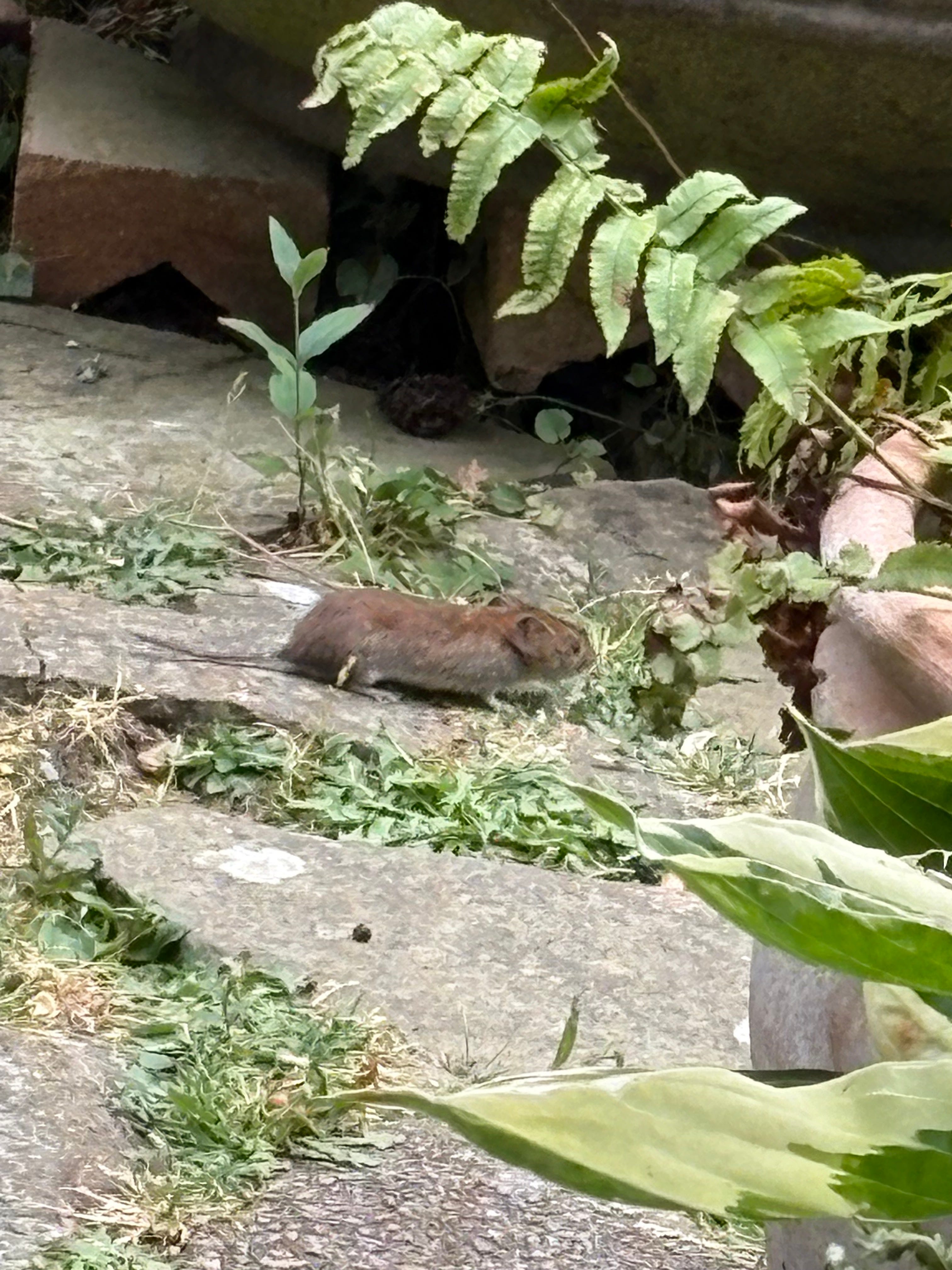
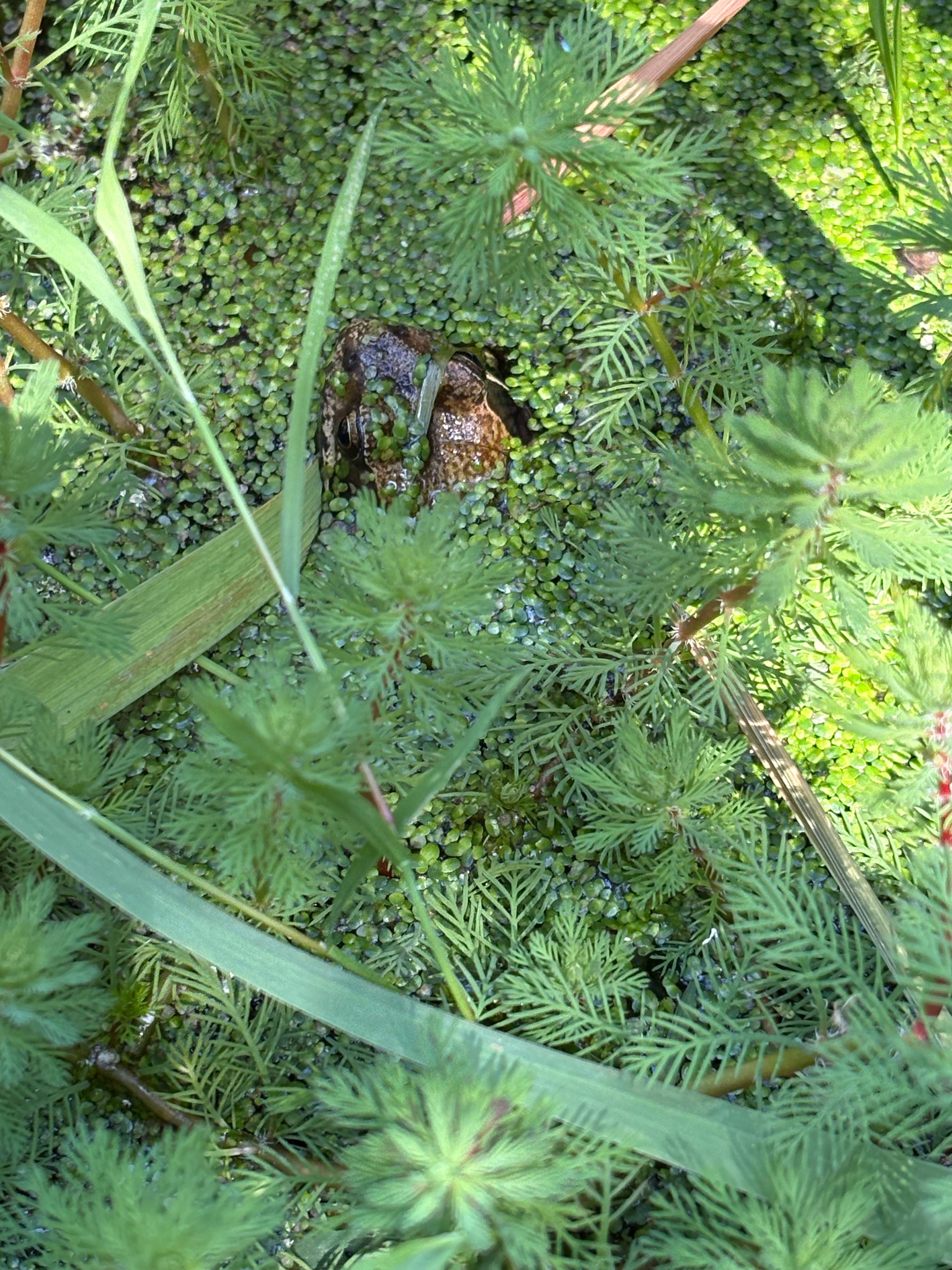
Allowing for things to become a little less controlled means that in my suburban garden space a field vole now lives deep within a tangle of old plant pots and hedgehogs have taken up residence in a pile of cuttings from garden shrubs. A large frog lives in a makeshift pond crafted from a sunken plant pot without a hole in the base while foxes make their way through small gaps left in the fences. A dragonfly patrols the garden every day of summer catching flying insects that hatched from the water dish placed in an overgrown corner and a flock of ten baby blue tits regularly bathe in a concrete birdbath nearby. I can’t emphasise enough how enriched life becomes when nature is welcomed and supported in the spaces just beyond our own homes. And now, more than ever, we are all being called to take small steps towards weaving our lives back into the natural world as a means of preservation for us all.
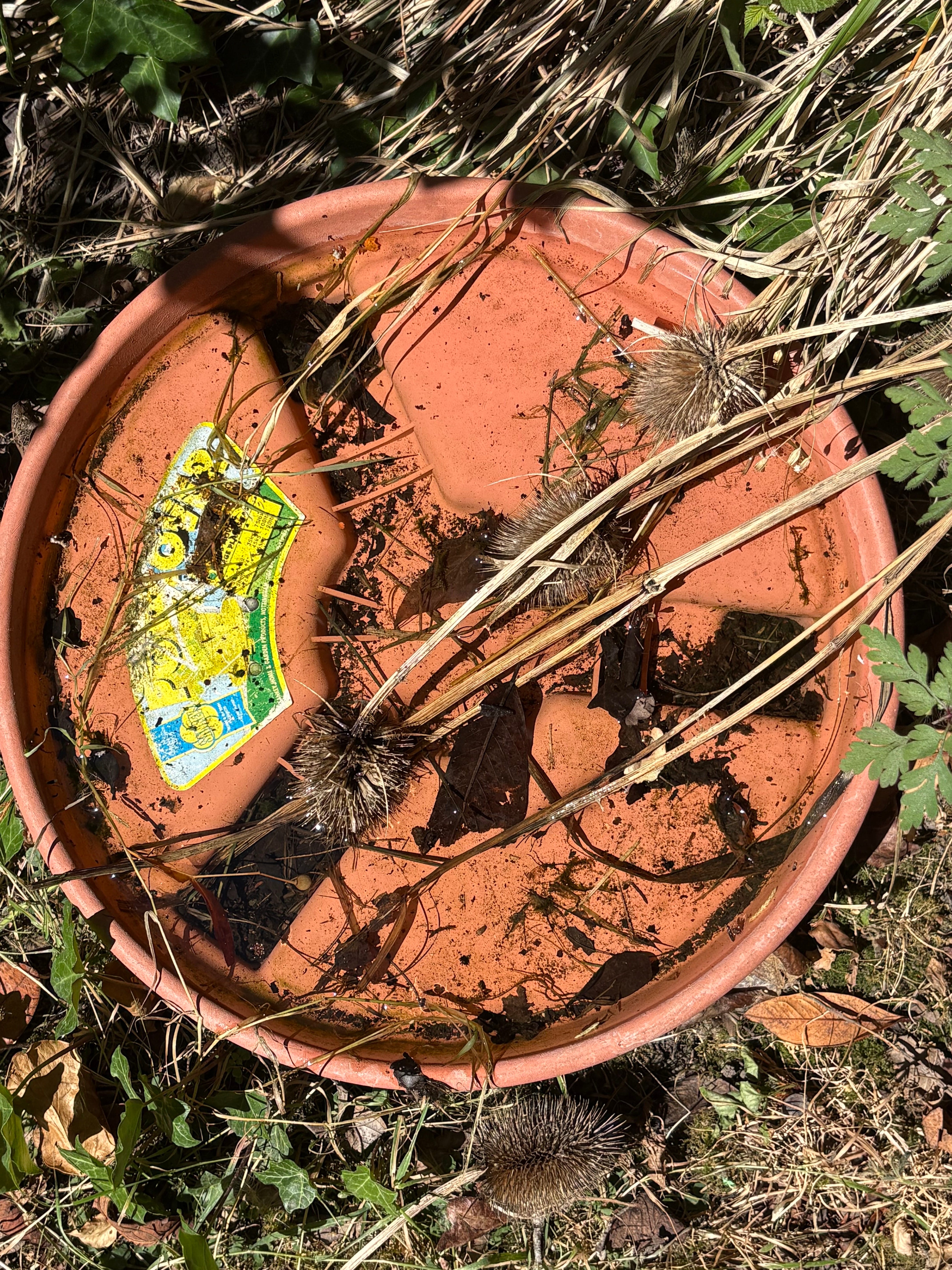
Water in our garden spaces is a lifeline in these challenging times. While ponds feel the obvious solution they are not always viable. However, simple additions like bird baths, large solid dishes or a tray with gravel in it will provide a range of opportunities for birds, mammals, amphibians and insects who may have nowhere else to find water. There is nothing more rewarding than watching a thirsty bee come down to drink or knowing that a passing hedgehog has had a vital moment of hydration. They are also a hub of life for many largely unseen creatures including the larval stages of many invertebrate species. These go onto form the base of the food pyramid and the more of them we can encourage the greater the diversity we will have.
In garden this month:
Mammals: Field vole, fox cub, 3 x baby squirrels 2x adults, hedgehog (evidence), bats
Amphibians: 4x Frogs - large and small
Birds: Blackbirds, robin, wren, magpies, collard doves, wood pigeons, goldfinches, greenfinch, blue tits, great tits, great spotted woodpeckers, jackdaws, blackcaps, long-tailed tits, starlings, parakeets, tawny owl (heard)
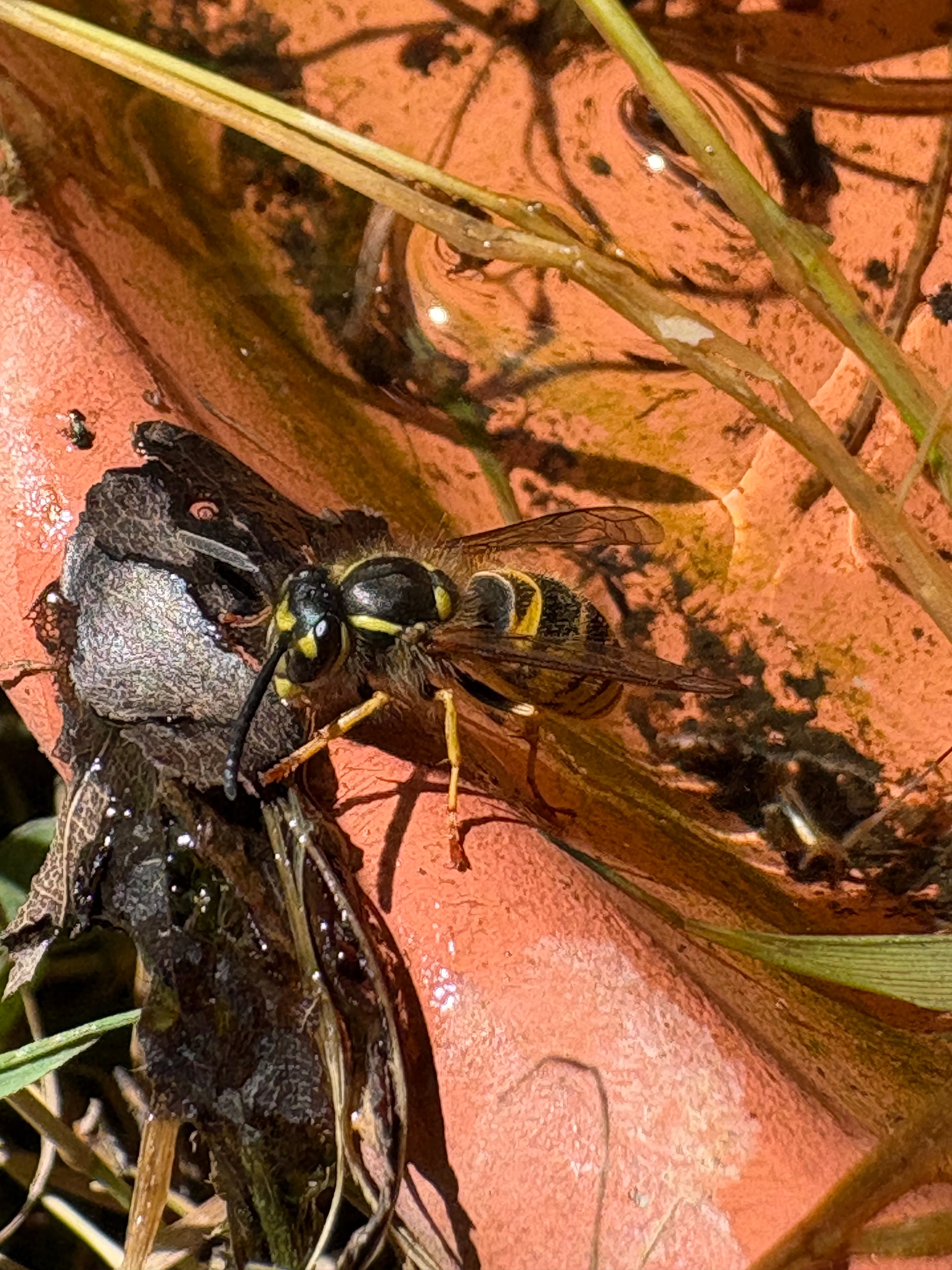
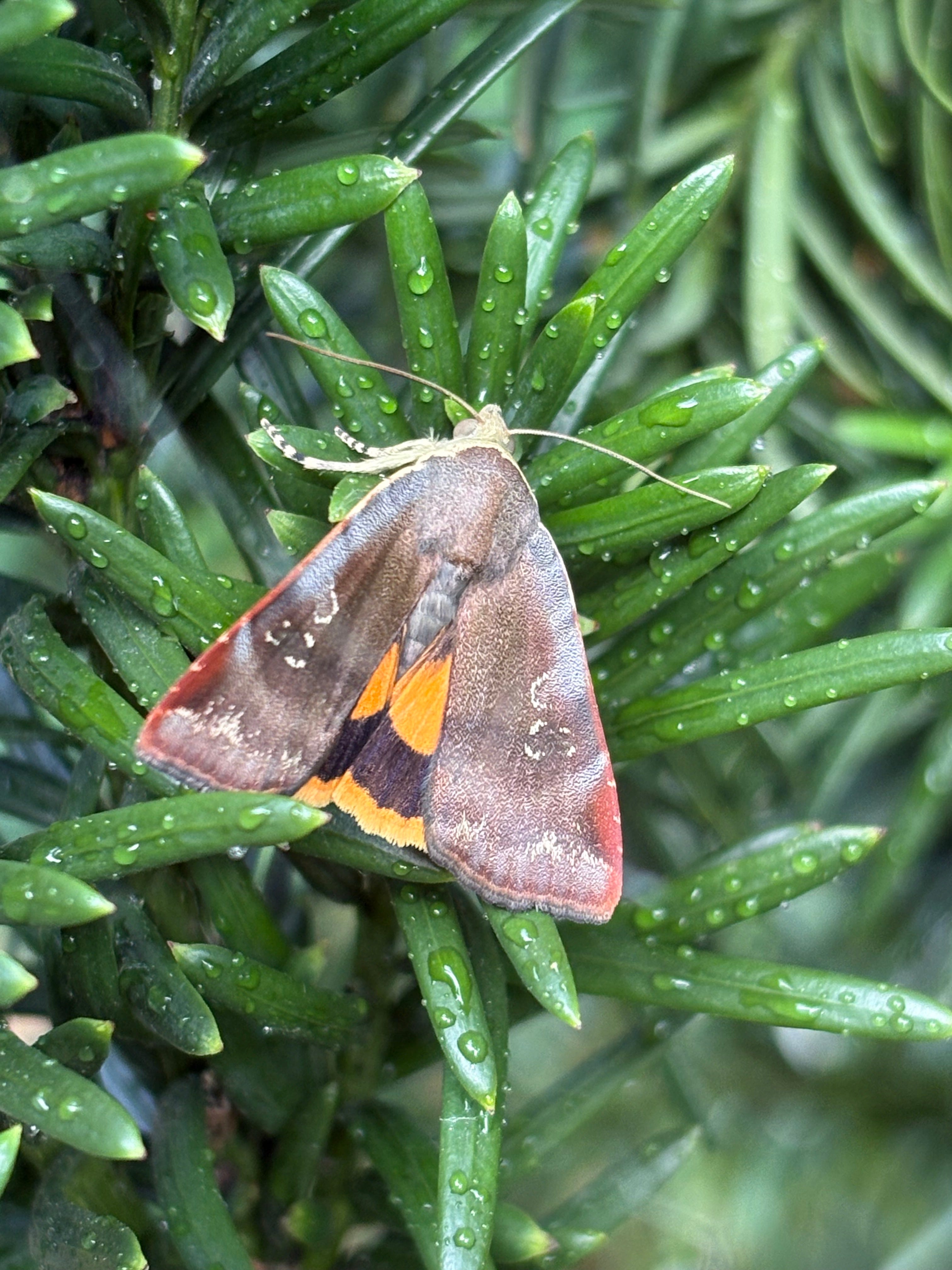
Invertebrates and Arachnids: Dragonflies, damselflies, butterflies (small white, large white, green-veined white, holly blue, gatekeeper, peacock, red admiral, comma) moths (including jersey tiger, yellow underwing, ermine, hummingbird-hawk), bees, flies, wasps, hornet, hoverflies, ladybirds, ants, spiders, woodlice, shield bugs, weevils, grasshoppers, larvae of multiple species (seen in water), multiple pond species
It was the last Sunday of July as I sat watching the clouds roll in from the east, each one a muted shade of grey that was not the right colour to hold rain. A succession of false alarms that began to convince me that it wasn’t going to happen despite what the forecast claimed. It was only after a few more minutes of patiently scanning the sky that I saw one that stood out from the others with its suede brown undertones that spoke of something promising.
Before long the first fat raindrops began to clatter onto the dense canopy of the trees. Up rose the sound of a thousand tiny explosions as droplets burst onto the garden. It was exhilarating. The intense smell of petrichor filled the air like incense, perfuming it with a heady richness alive with the breath of the earth itself. Another sense awakened as the rain made contact first with my outstretched hand before finally covering me entirely as I walked out in it - drawn by an invisible force that made it impossible for me to be a passive observer. The cool, fresh water pooled on leaves and added a sheen to the parched grass. I couldn’t help but think of the frogs laying low in the undergrowth feeling the sensation on their own skin. I kept reaching out to trace the raindrops as they rolled down the leaves.
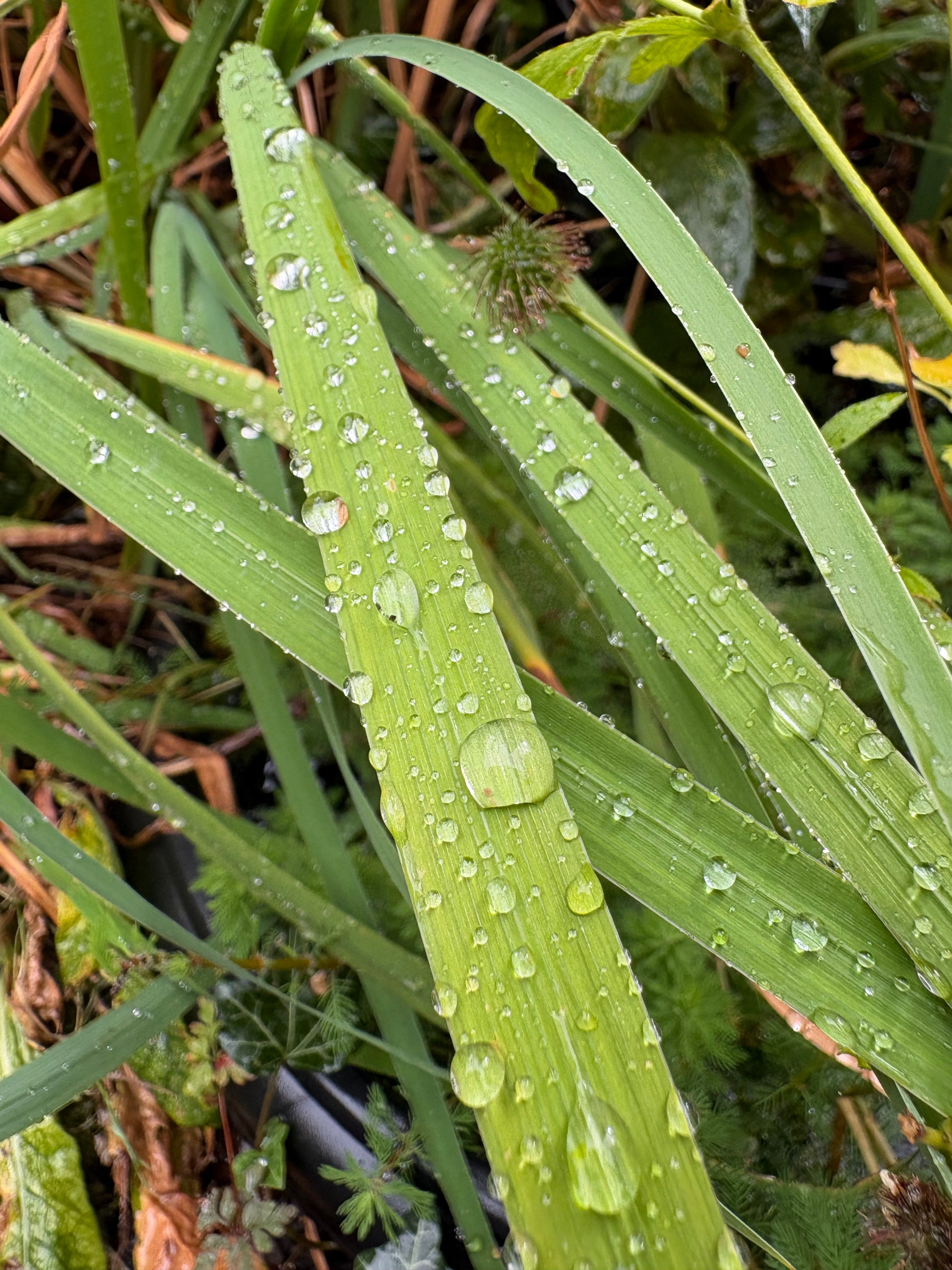
This was the ten minutes of rain that fell this month.
The cloud drifted on and the spectacle ended as abruptly as it had begun. What had caused this one lone cloud to make its way across here carrying this precious cargo after so many weeks without rainfall? A single cloud. It seemed almost miraculous and was it not for the visual evidence it could have been hard to believe. Shortly after, the sun came back out from its hiding place and evaporated most of the water within the hour, sparing only a few small leaf-pools in the deep shade. Of course it wasn’t enough to help compensate for the month-long drought but somehow it offered a small sense of hope. That this would, at some point, draw to an end and the rains would return again.
It begged the question however, at what cost in the meantime?
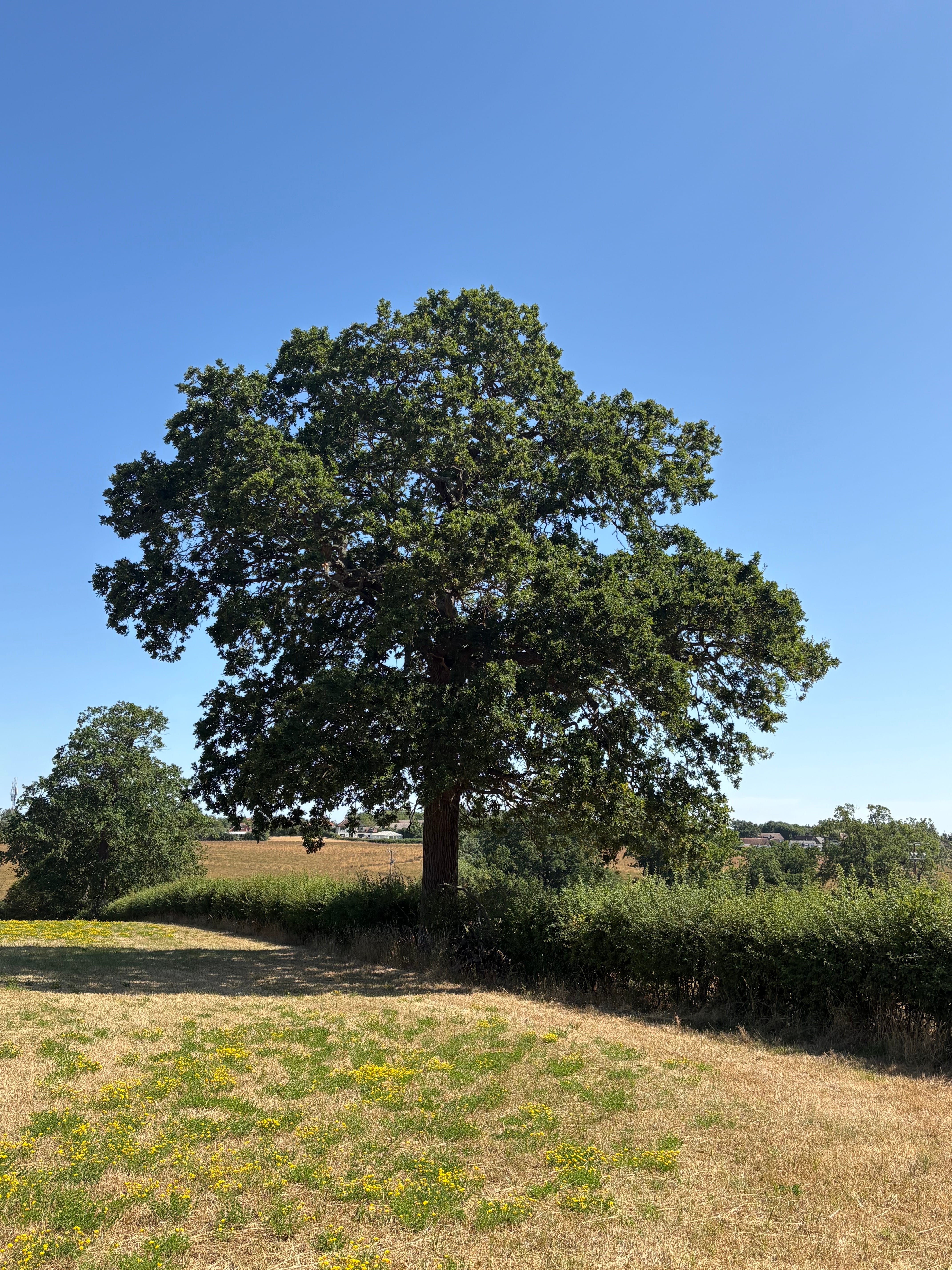
August holds the answers as yet unseen but if July has been anything to go by then this summer will continue to provide immense challenges for the natural world. This is the second year of incredibly dry weather but this year is noticeably more extreme. The ongoing implications of this climate crisis are being experienced firsthand and yet in many instances resolutely ignored by those that have the greatest power to do something about it.
For as long as this is the case we have to take matters into our own hands and find ways to do what we can with the resources available to us. As a collective force we have the potential to greatly benefit the plants and creatures that we overlap with in our lives. We can make a difference, it is never too late.
Start small, start local, become a conscious observer of what is going on around you.
We are all in this together.
Unspoken Wild is a reader-supported publication. To receive new posts and support my work please consider becoming a subscriber.
Thank you for taking the time to read this week’s edition of Out There. I hope to meet with you again next week. In the meantime please feel free to write a comment below so we can continue the conversation
A wonderful post bringing such welcome hope to a challenging time Eliza ❤️ I've been filled with such anxiety with all this relentless heat, but it's properly raining here in Bedfordshire now and I feel so happy and relieved 😌 The birds seem as pleased as I am as they've been so much more active this past hour or so. I hope it'll rain in Hertfordshire tonight too Eliza and give your lovely little garden a much needed soak 🤞
Great message, Eliza. And the proof is in the pudding- what a fantastic array of wildlife sightings from your garden, including the good old hummingbird hawkmoth!
The lonely cloud that delivered a welcome downpour was also quite magical. ✨